


Kenya’s diplomatic stature on the global stage continues to rise following reports that President William Ruto is set to attend the 52nd G7 Summit in France next month as the only invited African Head of State a move widely interpreted as a growing vote of confidence in Nairobi’s foreign policy influence and strategic positioning in global affairs.
The Group of Seven (G7), which comprises Canada, United Kingdom, France, Germany, Italy, Japan and the United States, remains one of the world’s most influential geopolitical and economic blocs, shaping discussions around global security, trade, climate policy, investment, and international cooperation.
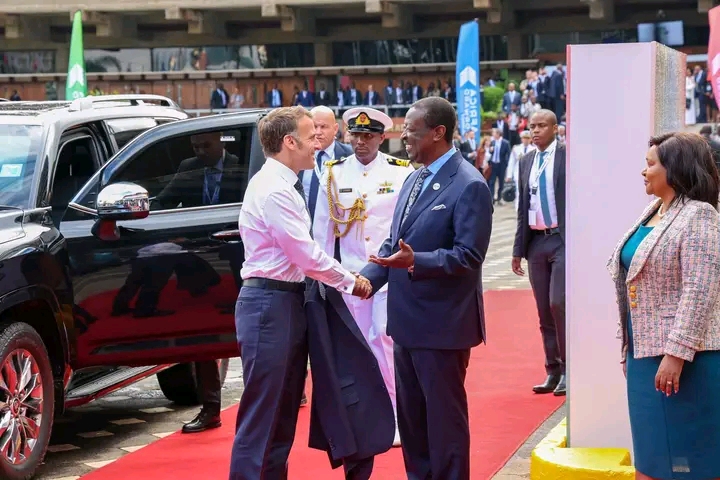
Political analysts and diplomatic observers have increasingly pointed to the expanding influence of Prime Cabinet Secretary and Cabinet Secretary for Foreign and Diaspora Affairs, Musalia Mudavadi, as a key architect behind Kenya’s renewed global engagement.
Under his stewardship, Kenya has intensified bilateral and multilateral relations, positioning itself as a strategic gateway for Africa in matters of diplomacy, peacebuilding, trade, and regional integration.
In recent months, Nairobi has emerged as a focal point for high level international diplomacy, hosting major continental and global engagements.
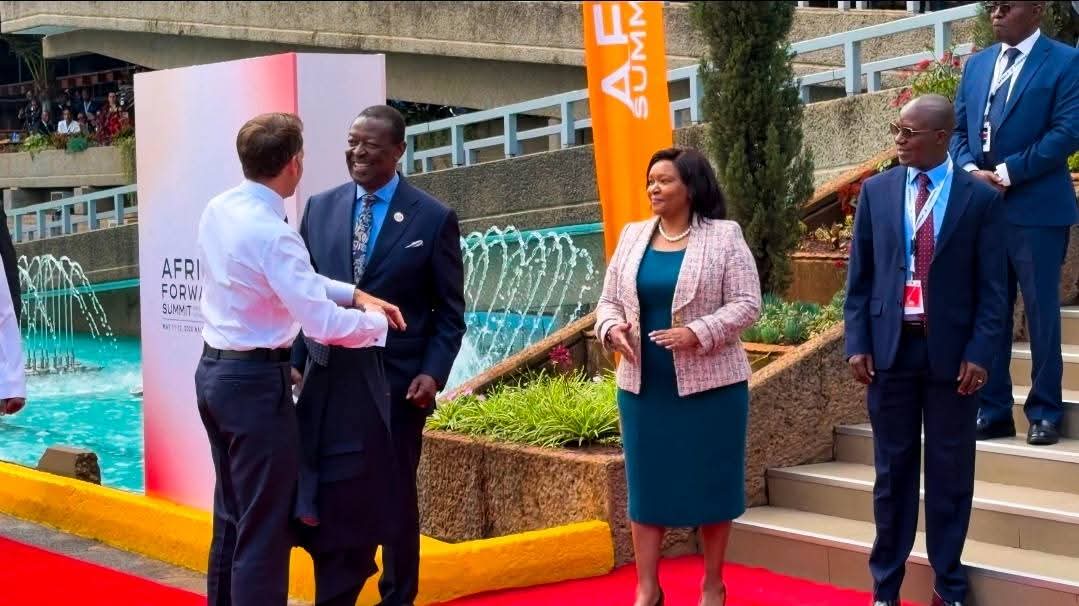
The successful coordination of the Africa Forward Summit, which brought together more than 30 Heads of State and Government in Nairobi, further reinforced Kenya’s image as a stable and influential diplomatic hub in Africa.
Observers note that Kenya’s visibility on the global stage is no longer coincidental, but rather the product of deliberate diplomatic recalibration aimed at strengthening partnerships with Western nations, Asian economic powers, and emerging global investors.
At the center of these developments is also growing international investor confidence in Kenya’s economic potential.
Africa’s richest businessman, Aliko Dangote, recently indicated interest in establishing a major oil refinery project at the Port of Mombasa a strategic investment expected to significantly transform the energy and logistics landscape of East Africa.
The proposed investment, reportedly favoring Kenya over regional competitors such as Tanzania, has been interpreted by economic analysts as a strong signal of confidence in Kenya’s diplomatic environment, infrastructure expansion, and international trade relations.
As Kenya continues to deepen its influence in global diplomacy and international commerce, the upcoming G7 appearance by President Ruto may mark yet another defining chapter in the country’s evolving role within the international community a role increasingly characterized by strategic partnerships, regional leadership, and expanding geopolitical relevance.