


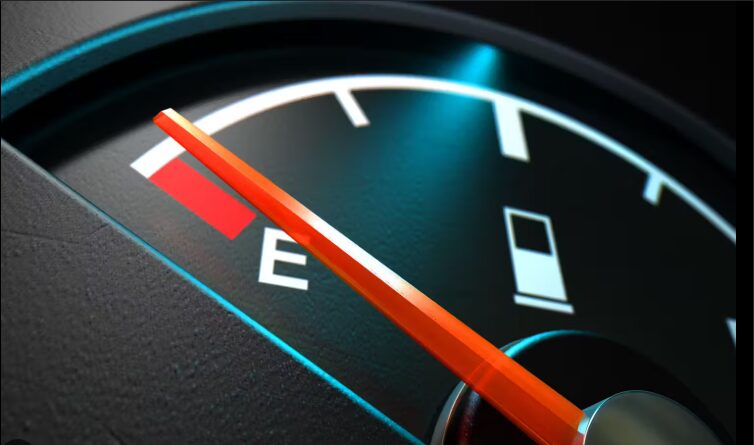
In the world of Kenyan economics, we have recently been treated to a performance that defies the laws of physics,or at least the laws of a stable wallet. According to the latest figures from the Energy and Petroleum Regulatory Authority (EPRA) for the May 15 to June 14, 2026 cycle, the pump has become the site of a high-stakes psychological game.
A Three-Act Tragedy
The timeline of the last few months reads like a script written by someone who enjoys watching a rollercoaster from the safety of the ground:
• The Rise: We began with a steady climb that had everyone tightening their belts.
• The Mercy Dip: Then came the plot twist,a modest decrease that was celebrated in headlines as a sign of a strengthening economy. We were given a few shillings back and told to rejoice.
• The Current Shocker: Now, the curtain rises on the latest act. Super Petrol has jumped by KSh 16.65 to hit 214.25, while Diesel has performed a vertical takeoff of KSh 46.29, landing at a jaw-dropping 242.92.
The Mathematics of the Gotcha
One has to marvel at the logic on display. If you lower the price of diesel by seven shillings one month and then hike it by over forty-six shillings the next, has the consumer actually been helped, or have they just been set up for a larger fall?
It is the economic equivalent of a friend treating you to a soda, only to ask you to pay for their entire three-course dinner ten minutes later. While the official explanation points to higher landed costs and international oil prices, the sheer volatility makes one wonder if the price reviews are based on global markets or a very chaotic random number generator.
The Boda-Boda Aerobics Initiative Since Diesel is now flirting with the KSh 250 mark, rumors suggest a new national fitness program. Instead of complaining about fares, citizens are encouraged to view their 15-kilometer walk to work as unsolicited marathon training. If you can’t afford to fuel the machine, you simply become the machine.
As we look at these record-breaking numbers, we must ask the question that no press release seems to answer: Was the previous decrease a genuine step toward stability, or was it just a tactical retreat to make this massive shocker feel slightly less like a punch to the gut?
In a country where we are told the shilling is doing well but the pump says otherwise, the disconnect is becoming impossible to ignore. When Diesel hits 242.92, the cost of every cabbage, packet of milk, and bus fare follows suit.
As we move into this new reality, we are left to wonder, in this game of economic musical chairs, why is it always the Kenyan taxpayer who is left standing when the music, and the fuel, runs out?